TangoReports from the Past
A Polish-Jewish and Argentine Romance
Go to the table of contents ↓
—
2026
Search the book
Full text and three indexes carried over from the print edition.
Eight parts
PART ONE · 1913TANGO IN POLAND14 chaptersPART TWO · 1913–2026TANGO AROUND THE WORLD20 chaptersPART THREE · 1913–1939TANGO IN POLAND22 chapters PART FOUR · 1913–1926A FEW ARGENTINE TANGOS13 chapters
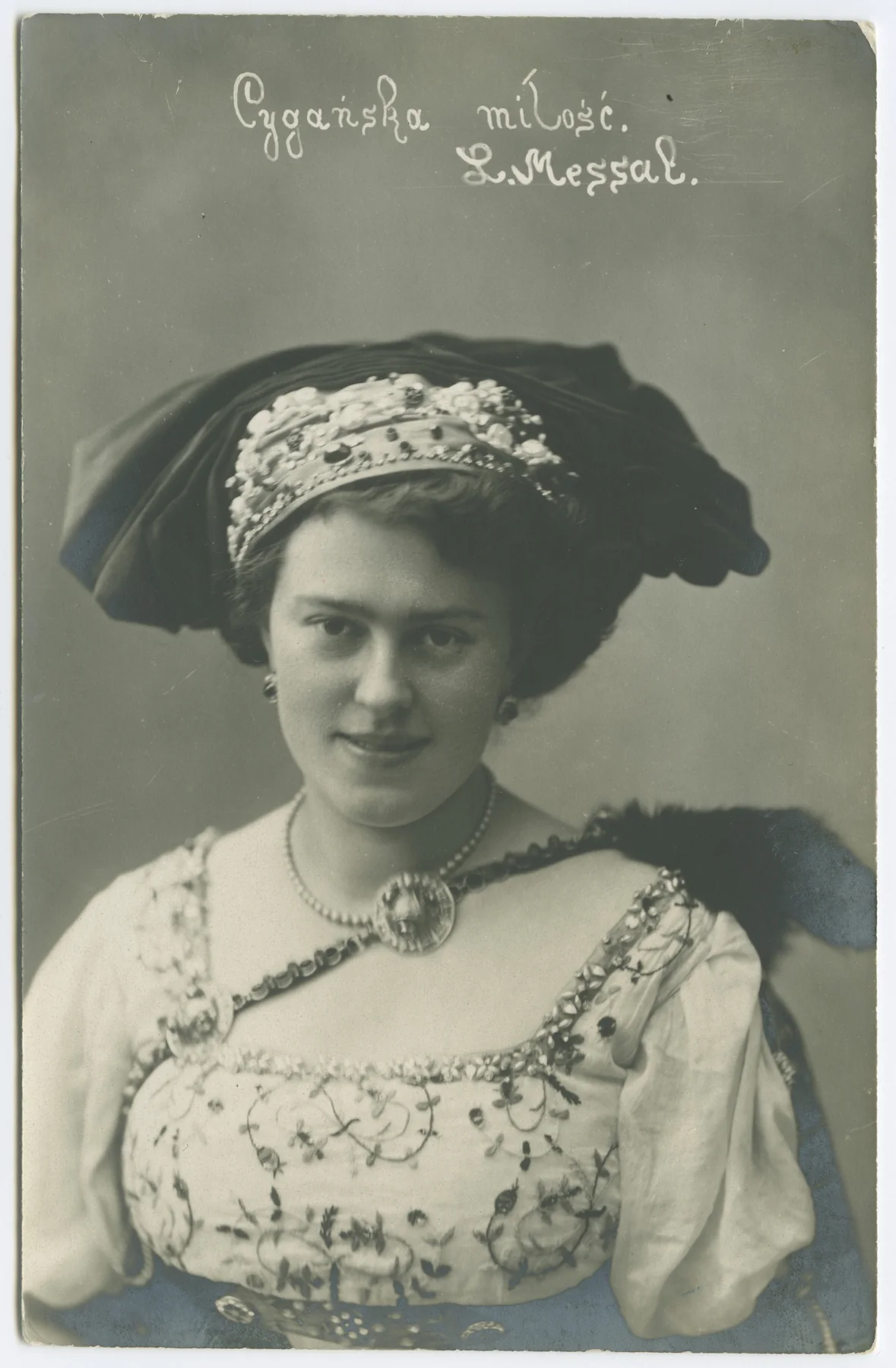 PART FIVE · 1913–1939A FEW POLISH TANGOS7 chapters
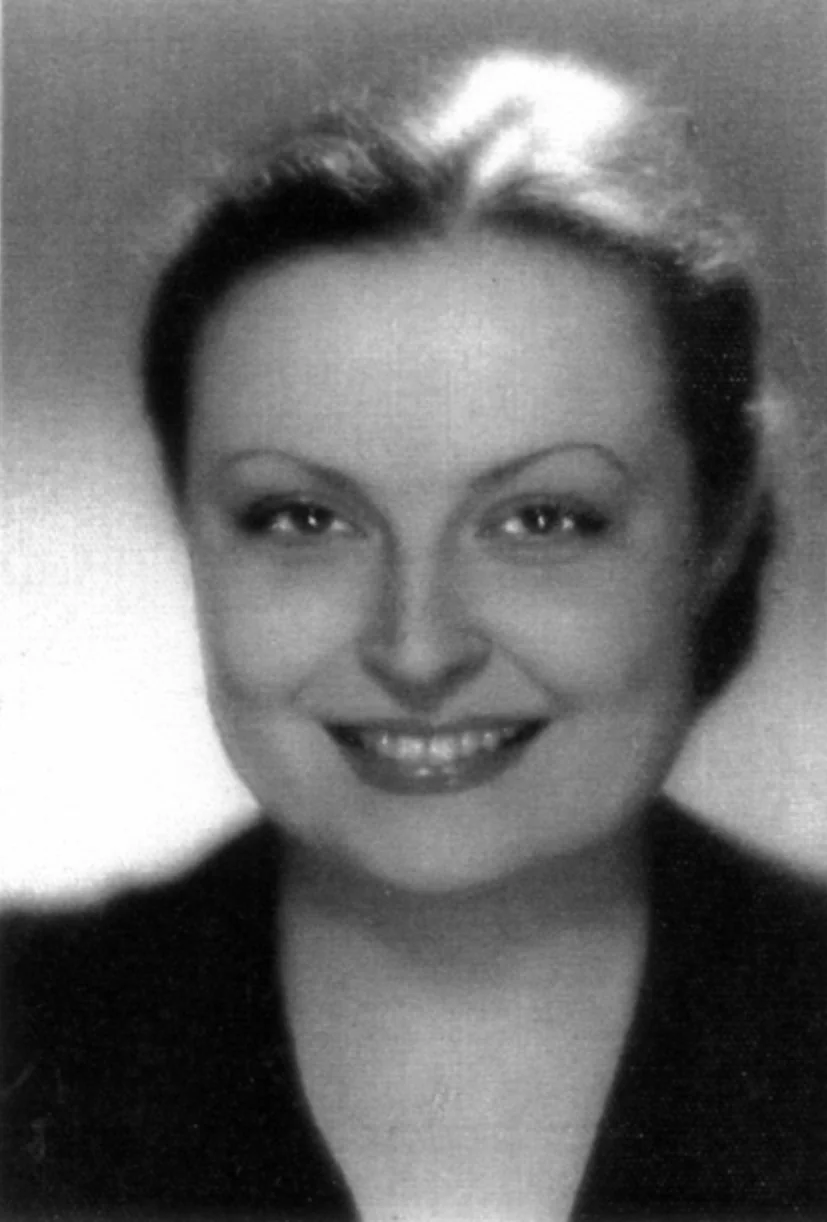 PART SIX · 2024ARGENTINE ARRANGEMENTS5 chapters
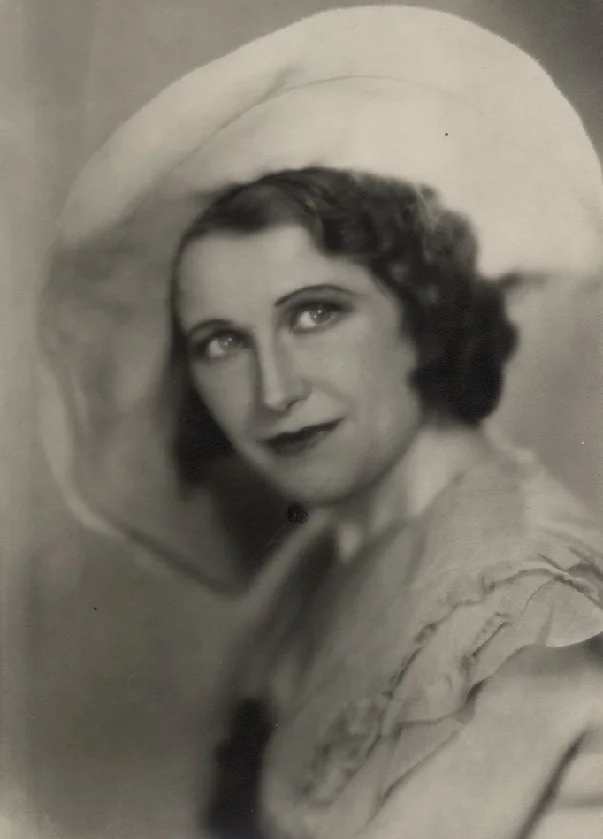 PART SEVEN · 1939–1945THE WAR5 chapters
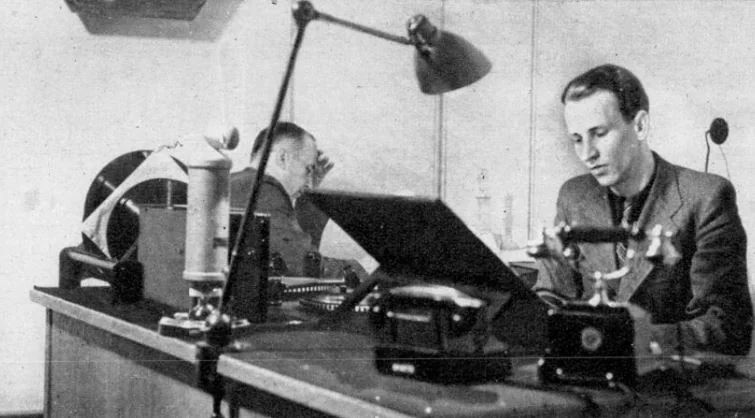 PART EIGHT · 1945–2026POSTWAR POLAND16 chapters
TANGO IN POLAND
The first tango in Warsaw was probably played at about eight in the evening on 13 June 1912, in the Swiss Valley between Szopena Street and Aleja Róż; the entrance was at 3 Szopena Street.
TANGO AROUND THE WORLD
In 2009, tango was inscribed on the Representative List of the Intangible Cultural Heritage of Humanity, sending Argentines into ecstasy.
TANGO IN POLAND
Marian Hemar wrote in 1934 that neither words nor music are paramount in a good song; its value lies in the accord between them. He considered that accord the secret of song. The same is true of tango: harmony with the music is tango's secret, its aroma, something extraordinarily strange—its sex appeal. Neither figures nor music alone matter most in tango, but the harmony between dance and music.
A FEW ARGENTINE TANGOS
A FEW POLISH TANGOS
One of Argentine tango's most beautiful melodies is Poema, for which Polish words were written before the war. Argentine lyrics were seldom translated in Poland at the time, but their original scores were used quite often.
ARGENTINE ARRANGEMENTS
THE WAR
POSTWAR POLAND
Mrs Jędrusik turned to me, holding the words of my song: ‘Sir, I will not sing this!’ She was objecting to the word ‘scum,’ of course. I replied that when a true lady becomes angry, she uses even worse language. Kalina turned to Agnieszka: ‘You see, for fuck's sake, he doesn't understand a thing.’ — Wojciech Młynarski